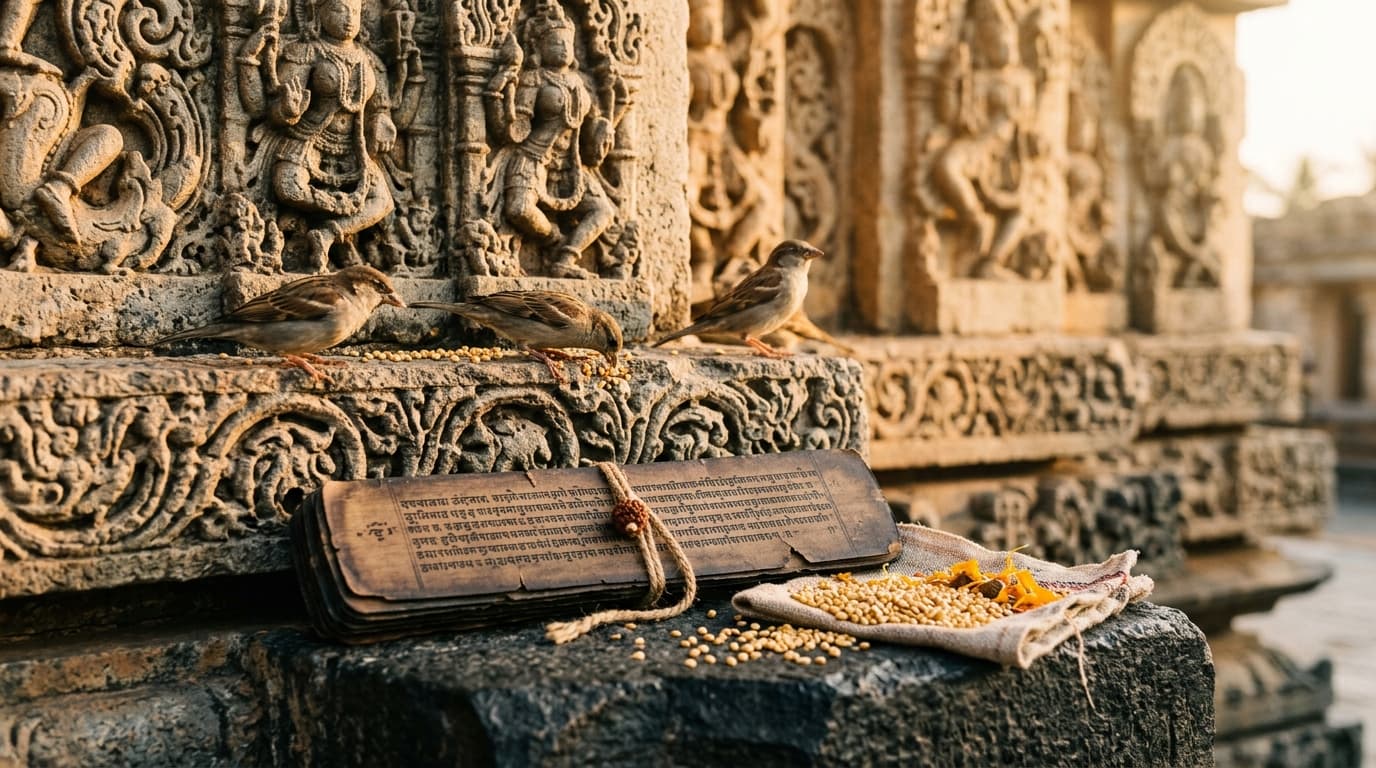
What Hindu Scriptures Teach About Compassion Toward Living Beings
From Rigveda to classical Puranas, Indian scriptures consistently affirm that human stewardship of nature requires protecting and feeding animals and birds.
Authoritative knowledge hub on Pakshi Seva, Bhuta Yajna, Pancha Maha Yajna, Gau Seva, traditional Jyotisha symbolism, and practical spiritual discipline.

From Rigveda to classical Puranas, Indian scriptures consistently affirm that human stewardship of nature requires protecting and feeding animals and birds.

Sympathy feels sorry for a hungry bird; Karuna wakes up at dawn to scatter grains. Discover how action transforms inner character.

Combining ecological awareness with Vedic Bhuta Yajna transforms morning bird feeding into a profound daily meditation.

Avoid these 6 frequent bird feeding mistakes to ensure your compassion does not inadvertently cause health issues for wild birds.

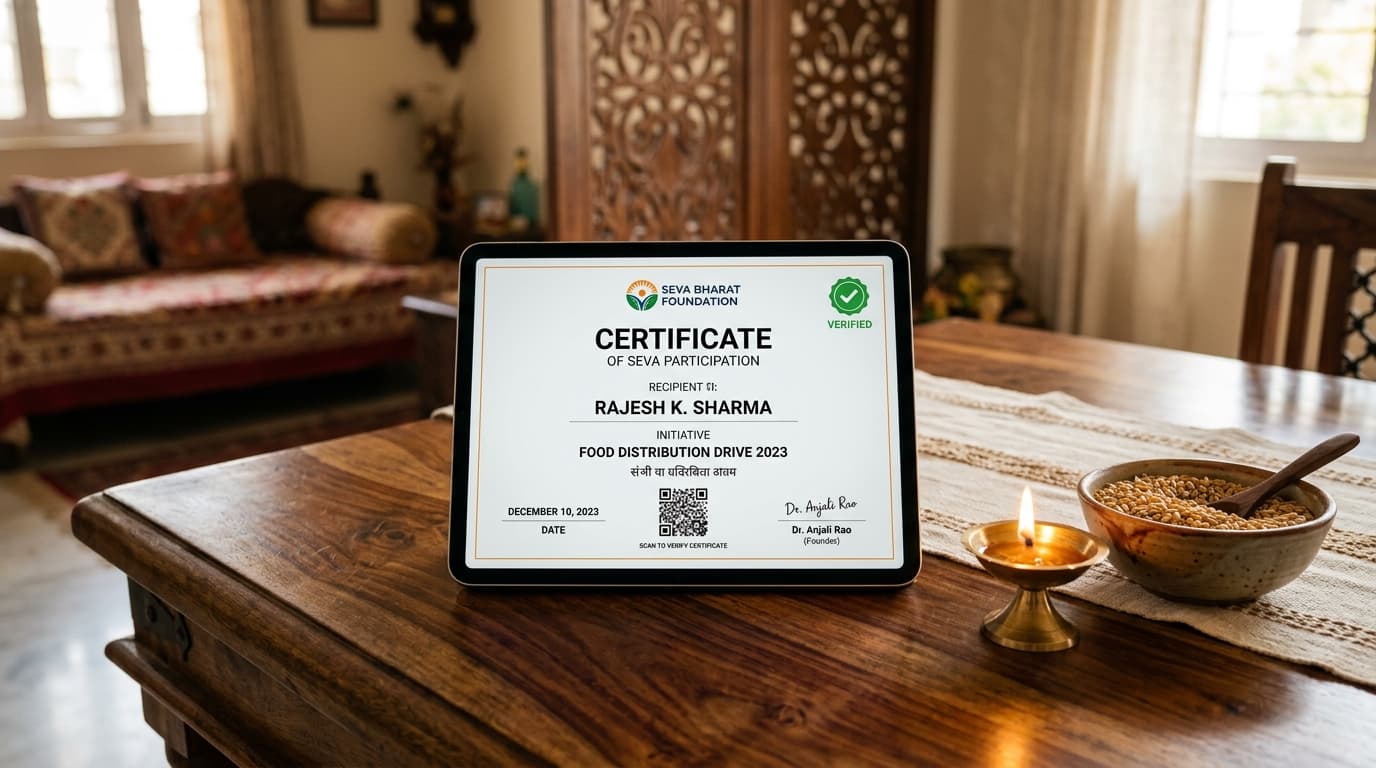
Understand how every JEEVA Seva Certificate is cryptographically linked to your Sankalp ID and instantly verifiable online.

While often translated simply as "compassion", Daya, Karuna, and Ahimsa represent three distinct, sequential stages of spiritual maturity in Indian philosophy.

Understand the end-to-end operational framework that ensures every digital registration translates into verified physical food and water on the ground.

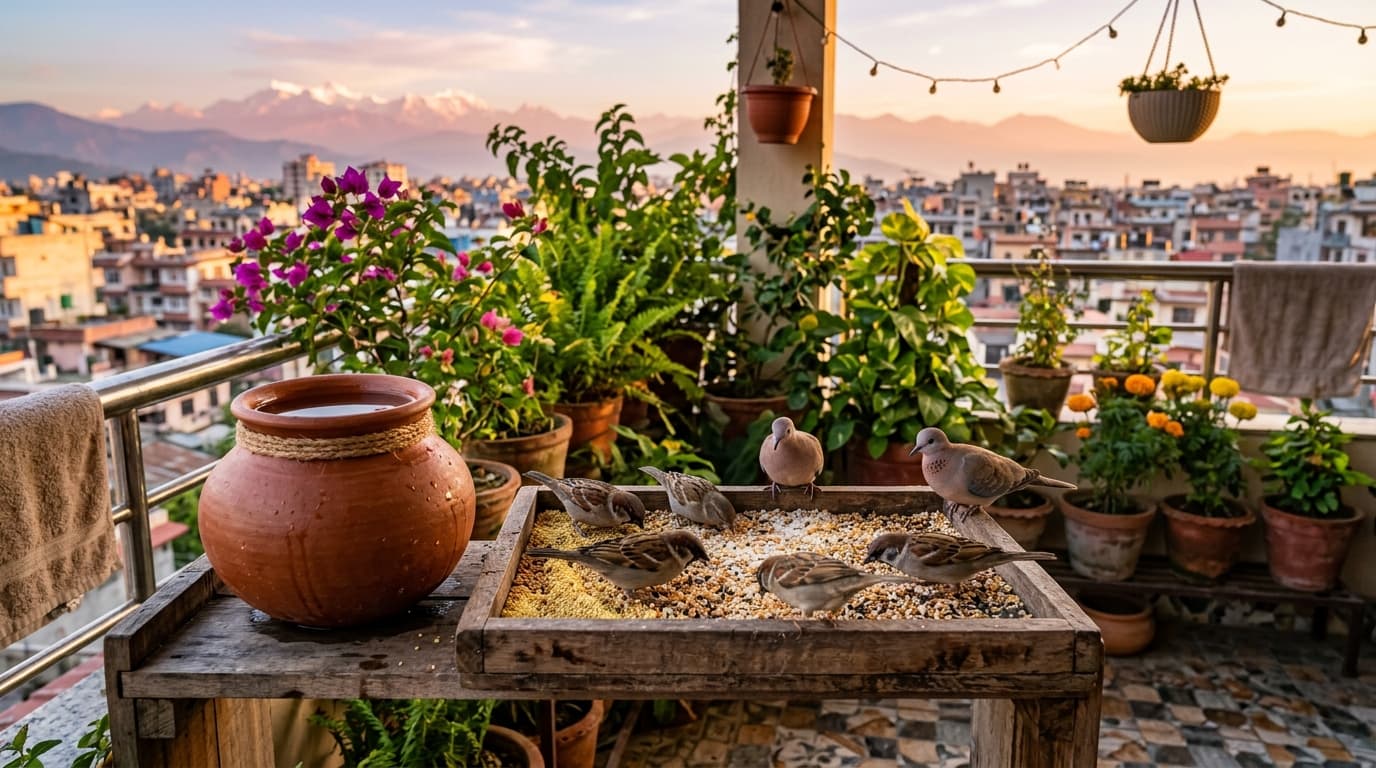
Navigating apartment society rules, balcony cleanliness, and cat threats while practicing urban bird feeding.

True spirituality is not escape from the world; it is the art of bringing sacred care and integrity into your family, career, and daily choices.

Compare JEEVA monthly plans to find the right tier for your family—from 100g/day bird feeding up to 9kg/day Gau Seva feasts.

True Seva is defined as action performed without ego, attachment, or expectation of reward—the essence of Karma Yoga taught in the Bhagavad Gita.

Integrating daily Seva into your morning routine anchors your day in calm, gratitude, and purpose before stepping into work demands.

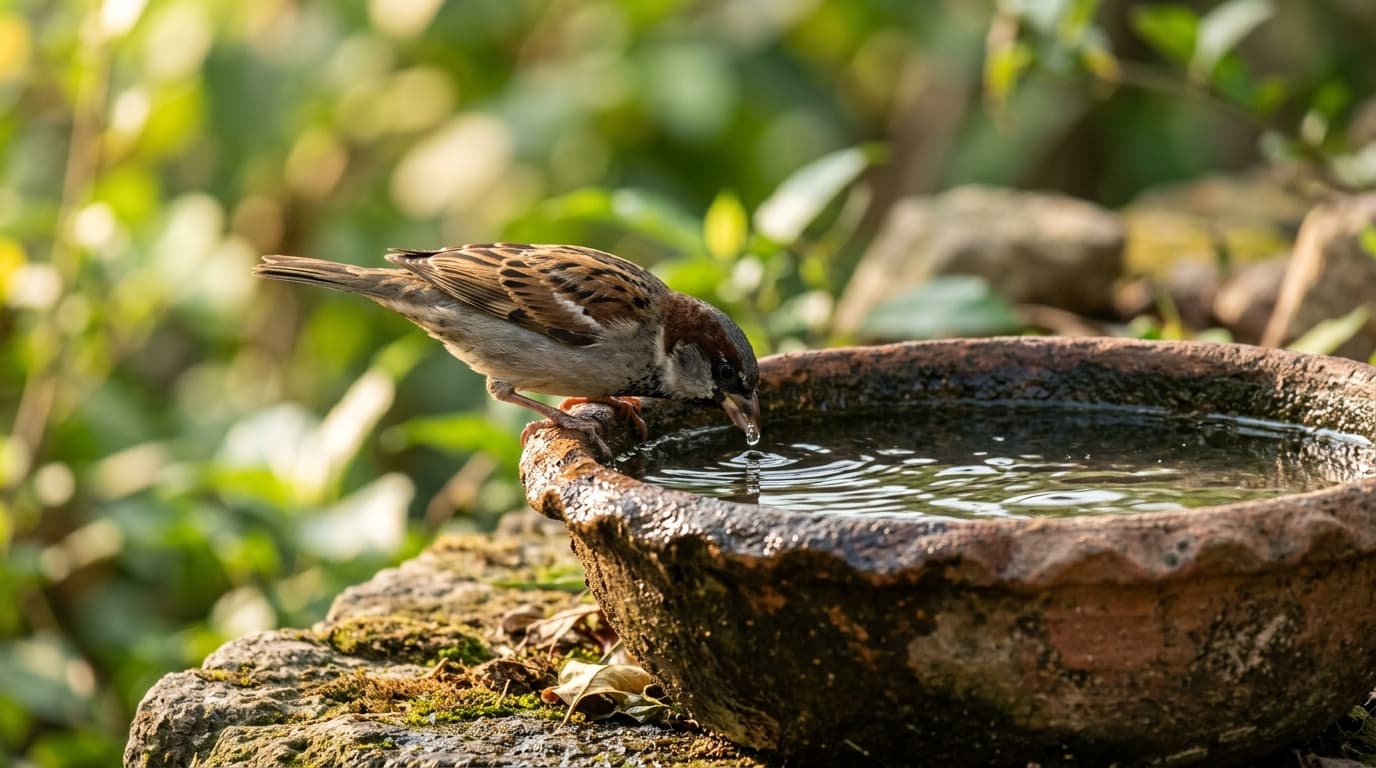
Dehydration kills thousands of urban birds during summer. Earthen clay bowls keep water naturally cool, clean, and accessible.

Across Northern, Southern, and Western India, ethno-astrological folklore developed rich associations between specific animals, grains, and planetary archetypes.

In a culture obsessed with likes, views, and ROI, practicing quiet Seva without public fanfare is a radical and liberating act of spiritual freedom.

Follow the 5-step journey of your monthly subscription—from instant Sankalp ID generation to date-stamped photo and video proof.

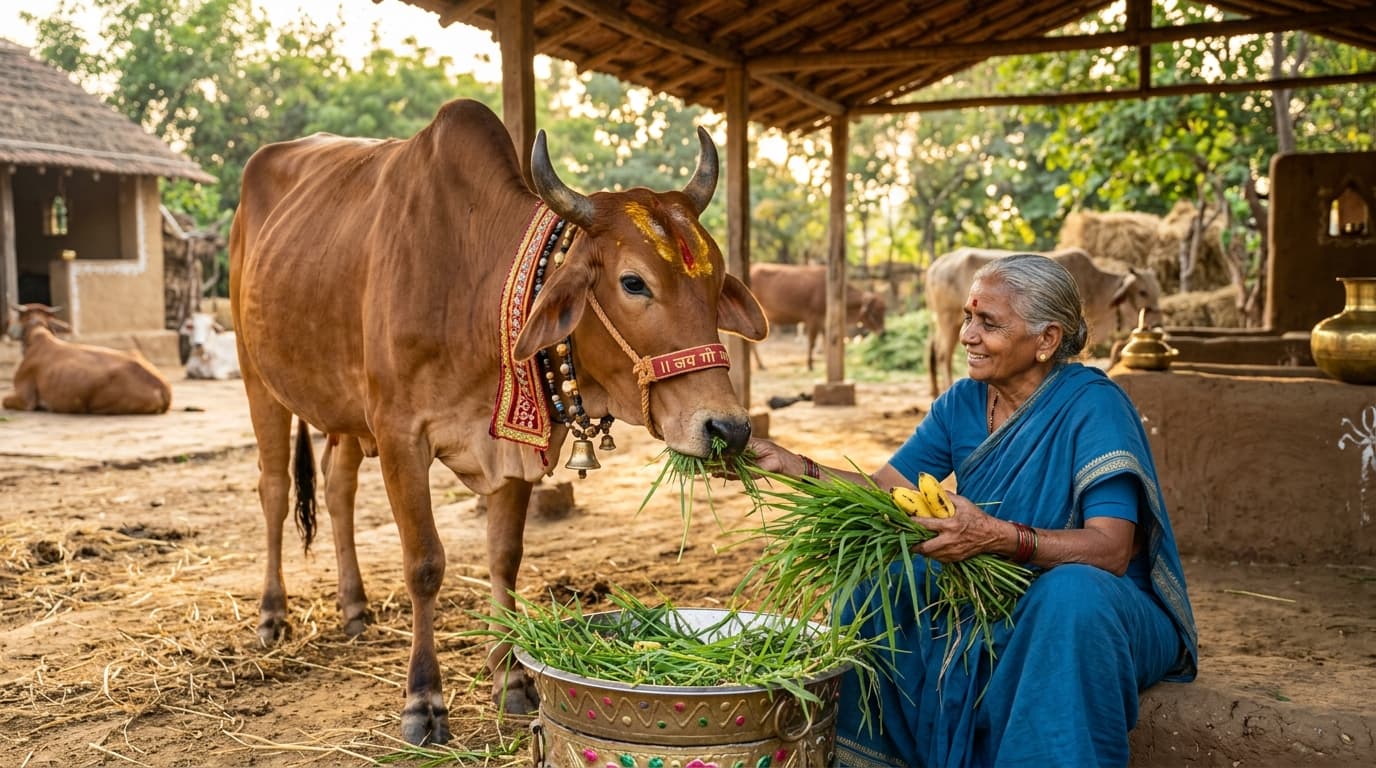
Offering food (Anna) and water (Jala) to thirsty and hungry creatures is considered among the most direct and purifying acts of selfless service in Indian culture.

Explore the four interconnected streams of compassion that form JEEVA's daily ground operations in Hyderabad.

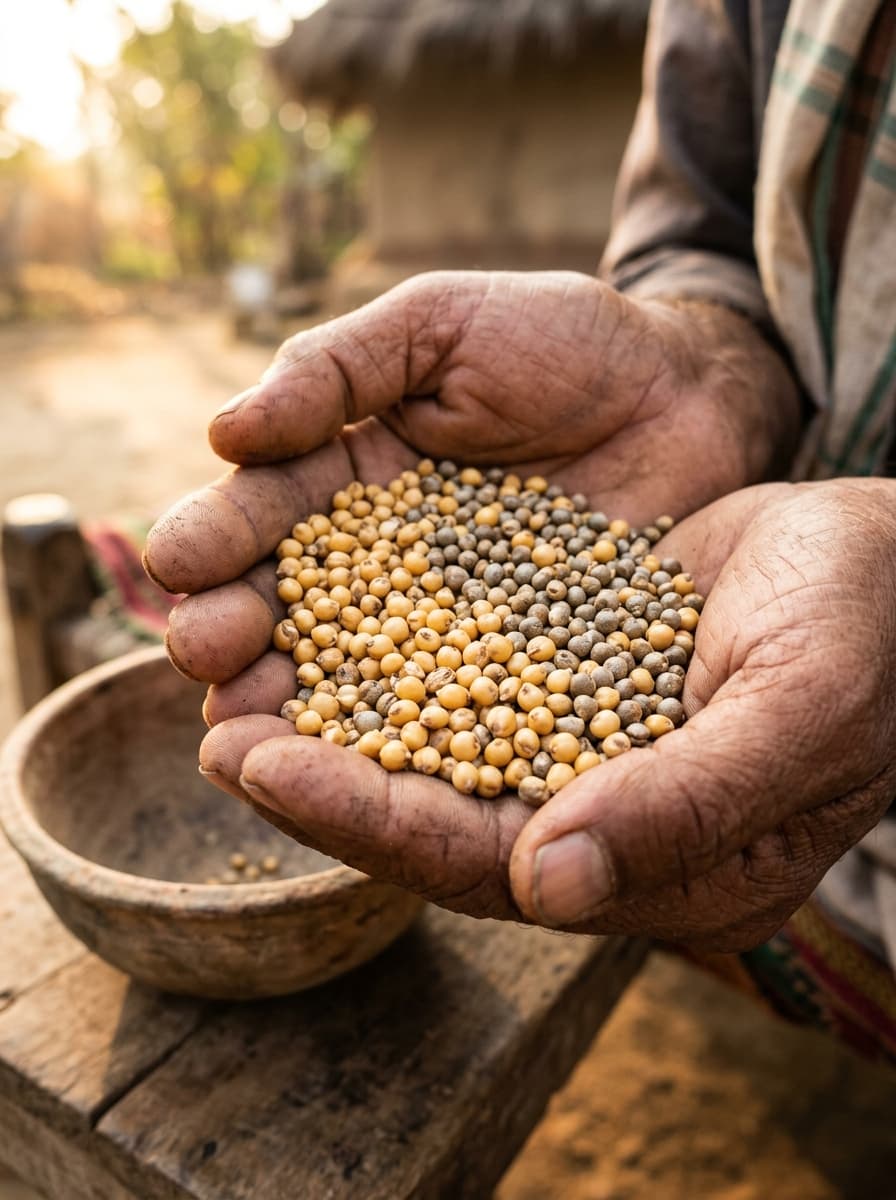
Different bird species require specific grain sizes and nutrient profiles. Learn which grains best support urban seed-eating birds.

Classical texts distinguished between Istha (ritual sacrifices) and Purta (public works, feeding animals, planting trees)—praising Purta as the higher path.

Good intentions fade without structure. Learn how combining a clear mental Sankalp with a recurring daily rhythm builds a permanent habit of care.

Discover practical techniques to keep your daily Seva commitment strong even when work travel and family demands arise.

Mahabharata declares "Bhūtānāṁ dayā paramo dharmaḥ"—compassion toward all living beings is the supreme ethical duty of humankind.

Nitya Seva—service performed uninterrupted every day—is described in classical texts as the master key to stabilizing the restless mind.

Feeding birds without proper hygiene can cause more harm than good. Follow these science-backed protocols for safe, hygienic Pakshi Seva.

A Sankalp is a sacred vow or focused intention formulated in the mind before undertaking any noble duty or spiritual practice.

Mindfulness does not require sitting on a meditation cushion for hours; it can be cultivated by scattering morning grains with total presence.

Water bowls should be refilled at least once daily during normal weather, and twice daily during peak summer months.

Pakshi Seva is far more than a casual hobby; it is a scripturally rooted practice of Samadarshana—recognizing the same divine spirit present in birds as in all beings.

While occasional annual donations are helpful, a daily habit of Seva builds lasting spiritual discipline and provides reliable daily sustenance for wildlife.

Discover the rich regional heritage of bird feeding across India, where care for birds was built into town planning, festivals, and morning domestic life.

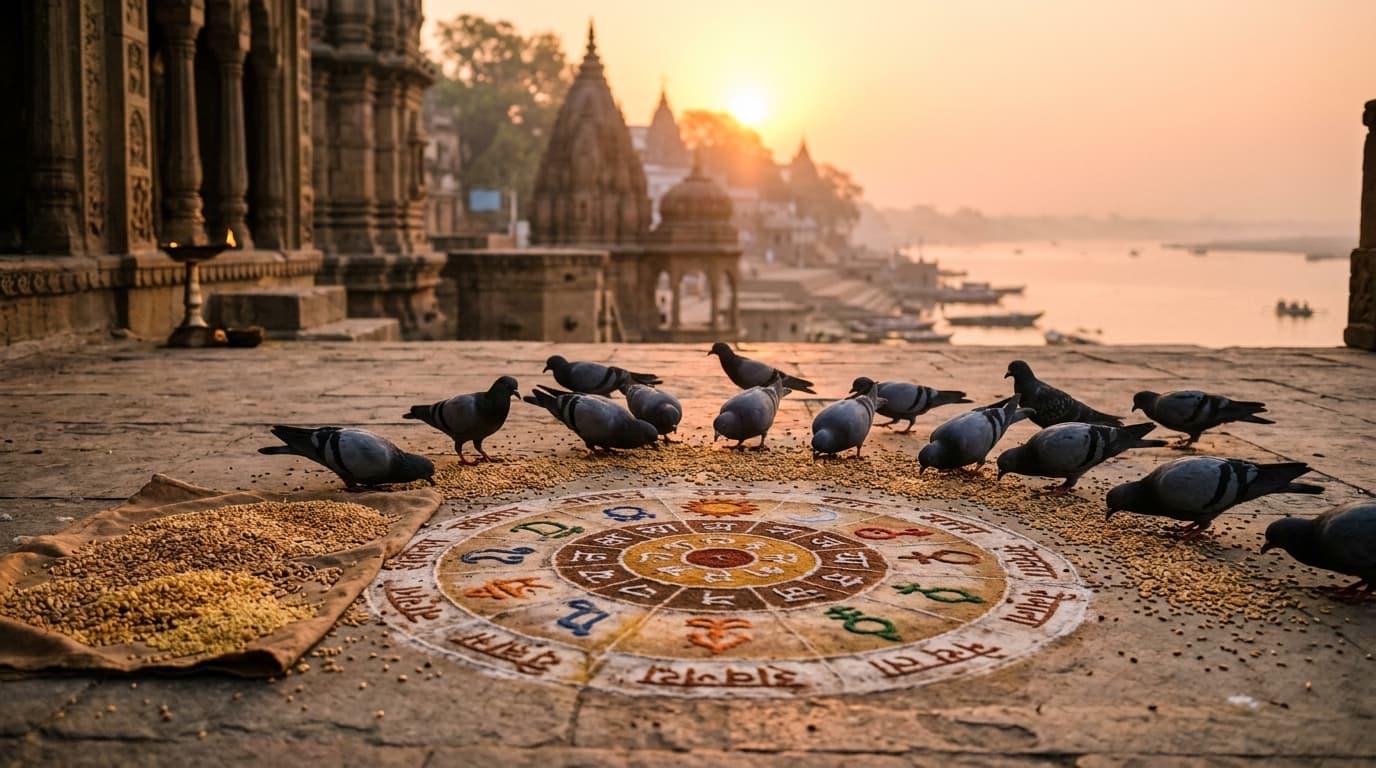
Learn how classical Indian texts symbolically mapped elemental forces, grains, and bird species to planetary archetypes.

Karma Yoga is the art of performing duty with complete excellence while remaining inwardly free from anxiety, greed, and attachment.

Discover how JEEVA ensures 100% accountability through date-stamped media uploads, public reports, and tamper-evident digital certificates.

Ensure the food you offer wild birds is safe, species-appropriate, and free from harmful additives.

The Pancha Maha Yajnas are five daily practices designed in Vedic tradition to neutralize accidental harm caused in household life and cultivate cosmic interconnectedness.

Selfless Seva means serving others with full dedication while relinquishing emotional demands for gratitude, applause, or cosmic payback.

Feeding birds daily plays a crucial ecological role in urban seed dispersal while offering humans a peaceful morning connection with nature.

The classical principle "Yatha Pinde Tatha Brahmande" teaches that the same laws governing planetary movement operate within human consciousness.

Practicing intentional daily compassion is one of the fastest ways to dissolve mental stress, loneliness, and emotional self-centeredness.

A clean water station saves bird lives in summer heat. Learn how to set up and sanitize an earthen water bowl in 4 easy steps.

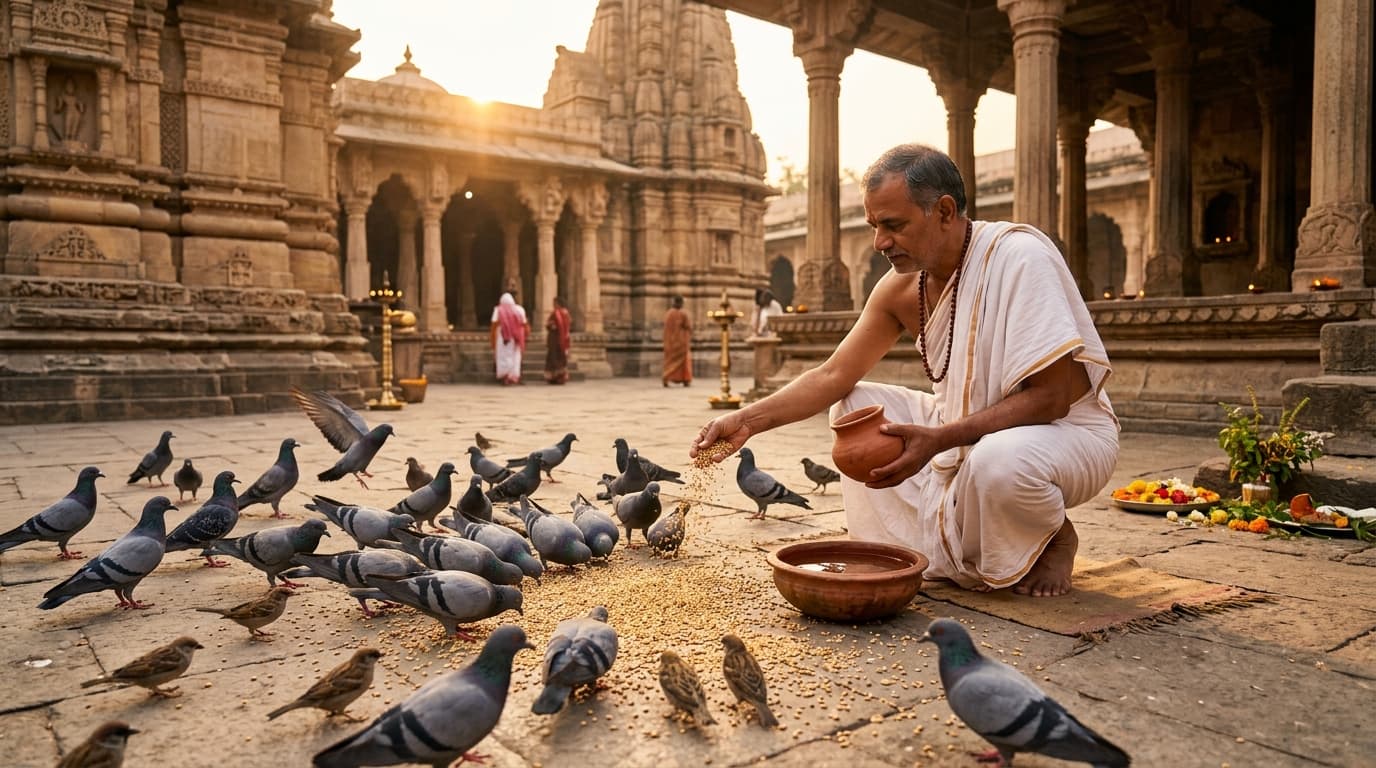
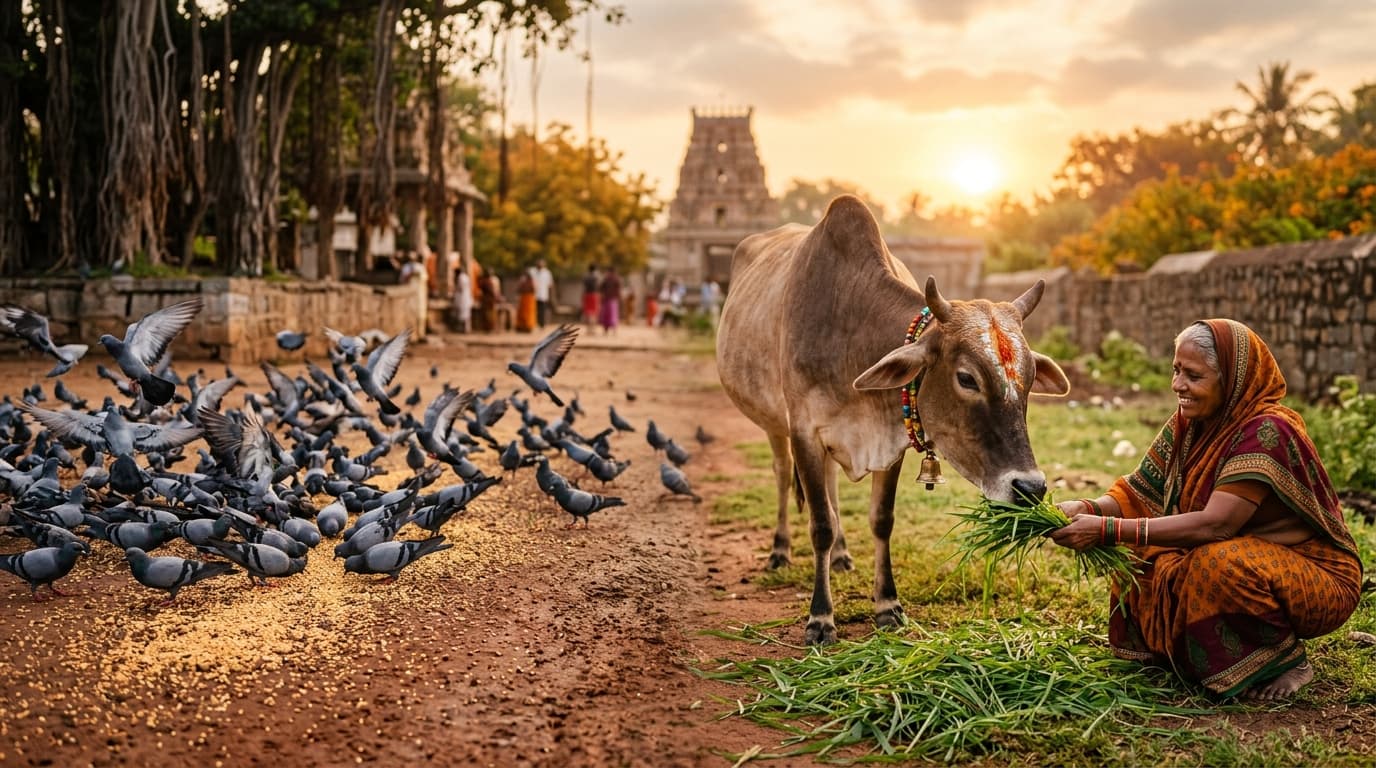
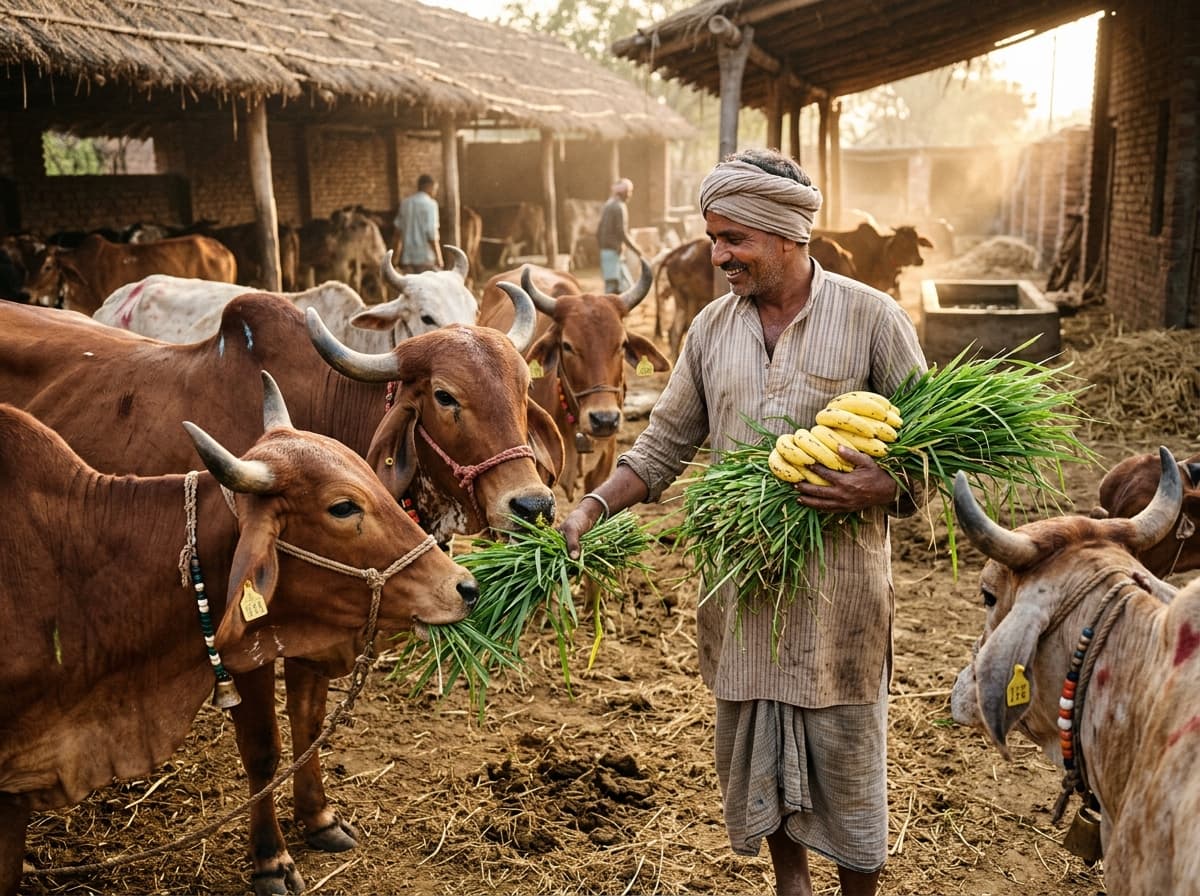
Bhuta Yajna is the fourth of the Pancha Maha Yajnas in Sanatana Dharma—a daily duty for householders to offer food, care, and compassion to birds, animals, and all living creatures.

Seva is the practice of selfless service performed without ego or expectation—a fundamental pillar of spiritual growth across Indian traditions.

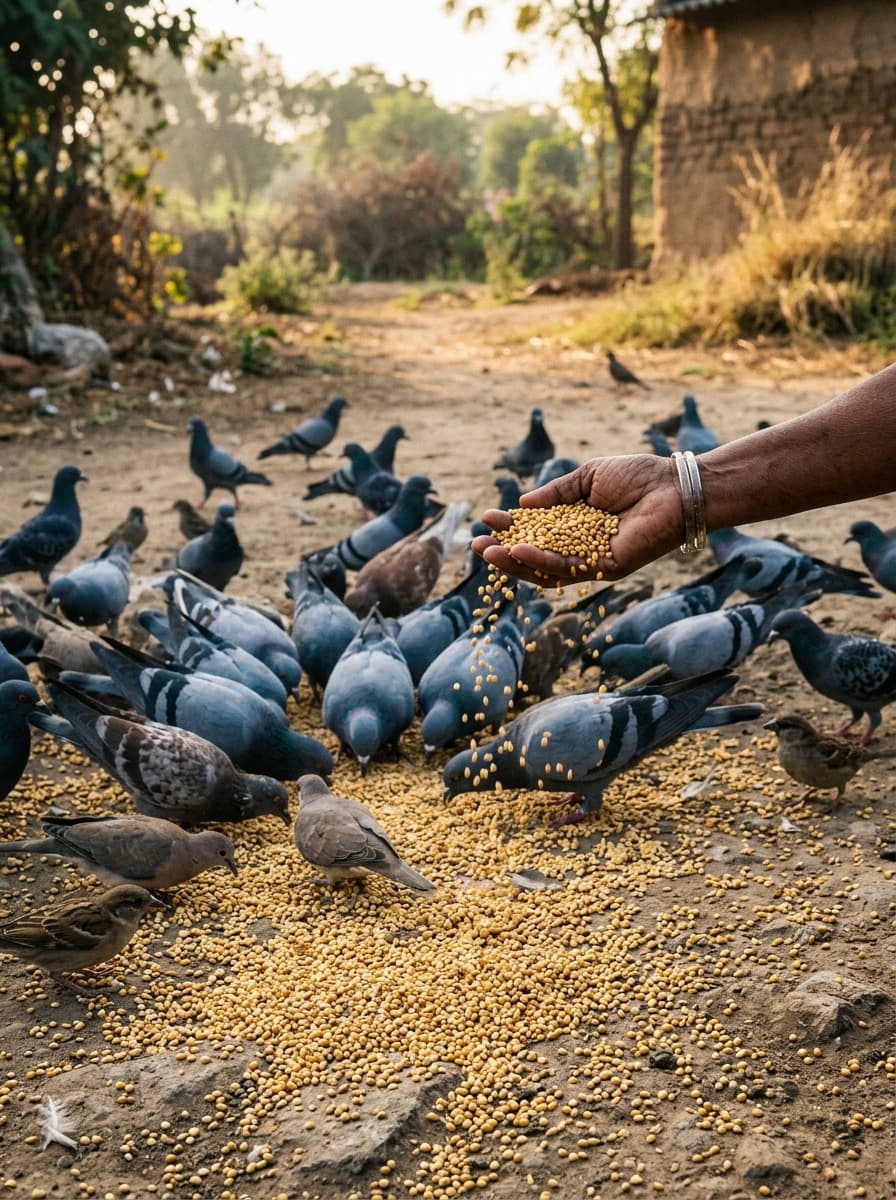
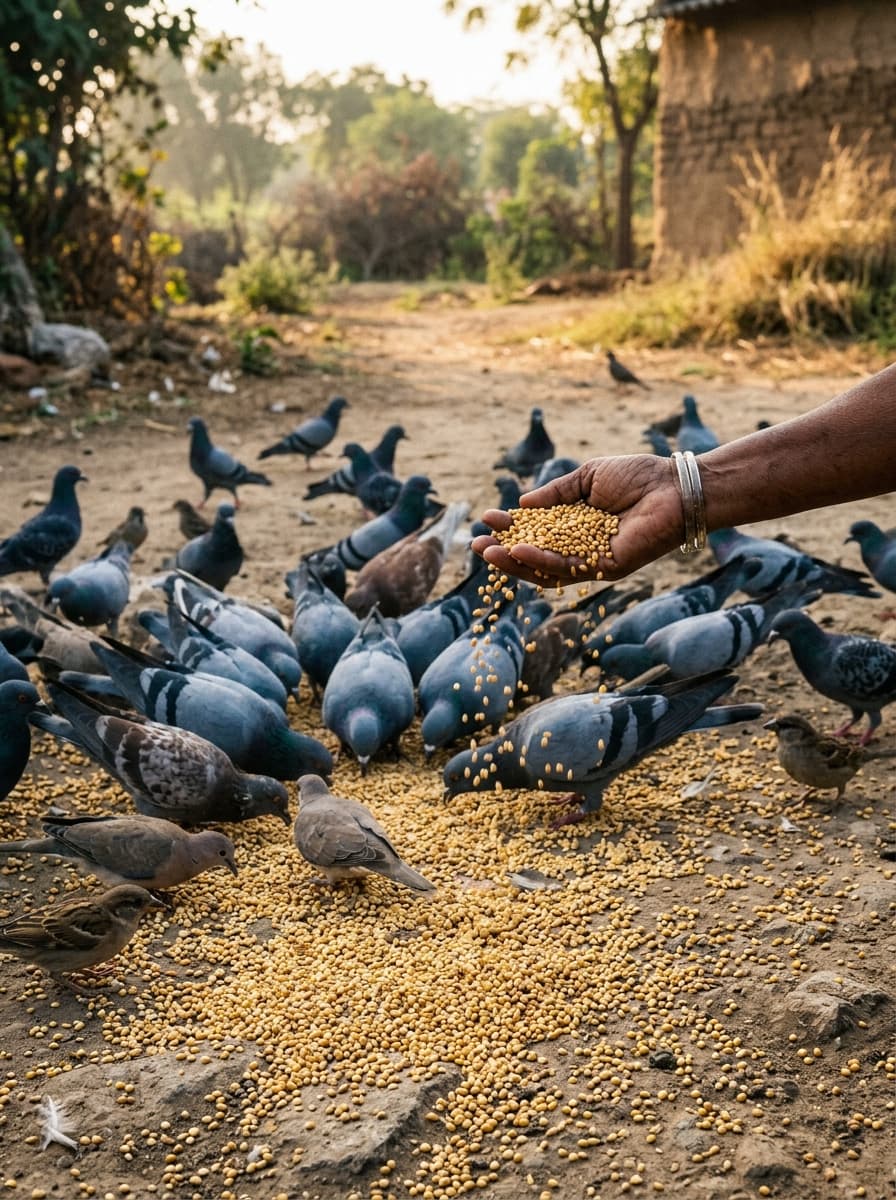
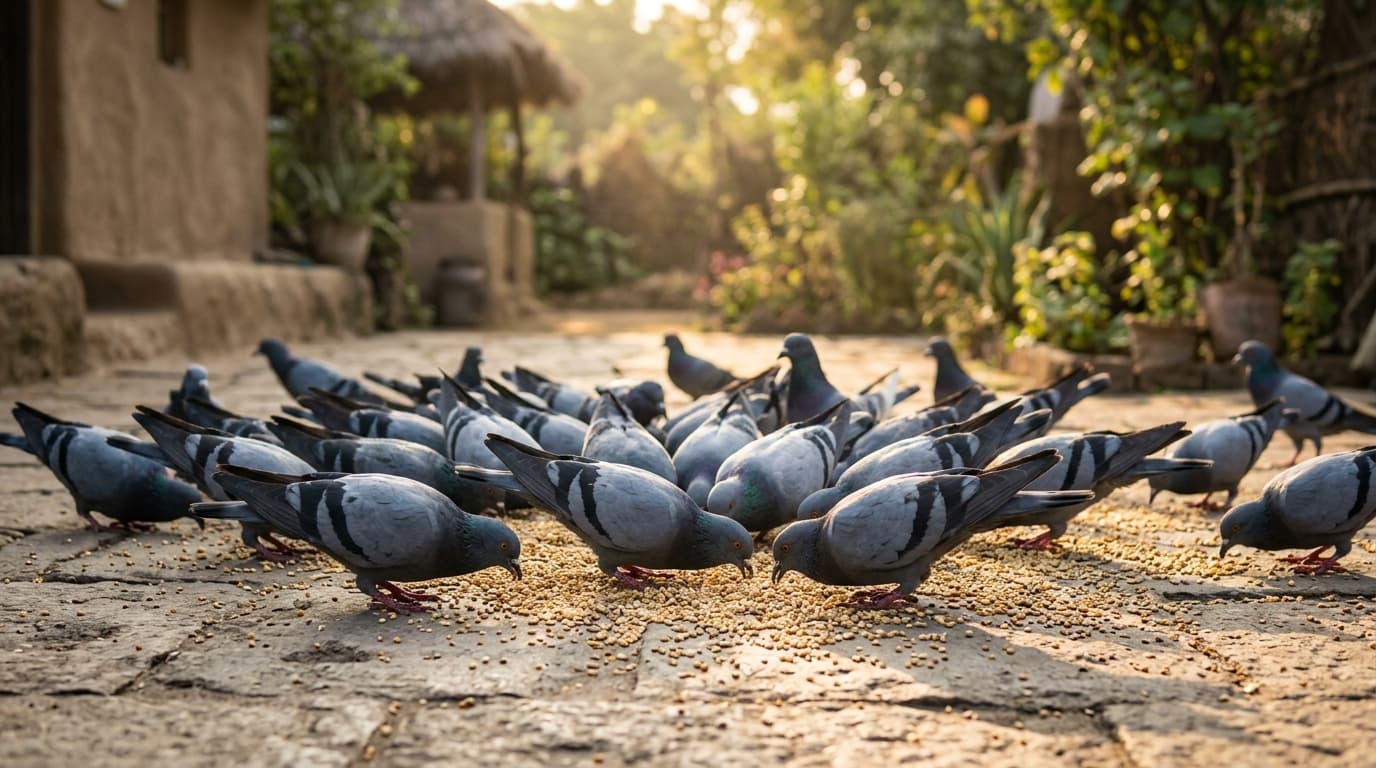
Pakshi Seva is the sacred Indian practice of providing unpolished grains and clean water to wild birds at sunrise, nurturing urban biodiversity and human compassion.

Jyotisha is traditionally known as the "Eye of the Veda"—an ancient system for observing celestial cycles, time measurement, and cosmic symbolism.

Spiritual Seva is not mere philanthropy; it is an intentional practice where outward service to living beings acts as a mirror for inner self-refinement.

Take a behind-the-scenes look at how JEEVA ground teams procure unpolished grains, manage terracotta water stations, and execute morning Seva across Hyderabad locations.

Everything a beginner needs to know to start feeding neighborhood birds safely, cleanly, and consistently.